|
|
|
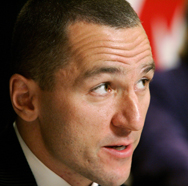
The three-time world champion also says it's unacceptable for countries to muzzle athletes' opinions, since the athletes are the ones representing their countries. China's government has faced mounting criticism over its human rights record, and drew fire for a recent crackdown against anti-government protests in Tibet. Prime Minister Stephen Harper has confirmed he will not attend the opening ceremonies of the Beijing Games, but Canada has rejected the idea of boycotting the Olympics. “I know for me, it would be extremely difficult to be able to go compete in a country that was hosting the Games, but don't exemplify what the Games are being held for,” Mr. Stojko told The Canadian Press. He added that athletes have an ability to raise awareness about important issues. “People should know what's going on and athletes have a chance to be able to do that if they wish,” Mr. Stojko said, adding that China's treatment of its people is dragging “negative energy” into the world tournament. But Steve Keogh, communications manager from the Canadian Olympic Committee, said athletes are free to say what they want. “There's been no instruction to our athletes not to say anything,” he said in an interview. “They can say anything they wish.” Mr. Keogh did say Canada is a signatory of the Olympic charter, which prohibits athletes from making any “proactive demonstration while in an Olympic venue.” |
|